
Anxiety does not always arrive as panic. More often, it settles in quietly.
It shows up as constant mental scanning, difficulty resting, or the feeling that something needs attention even when nothing specific is wrong. Life continues. Responsibilities are met. From the outside, things look functional. Internally, the nervous system rarely feels at ease.
This kind of anxiety can be difficult to recognize because it becomes familiar. Worry blends into routine. Tension becomes a baseline rather than a signal. Over time, people may forget what calm actually feels like.
Anxiety often thrives in environments that reward productivity and vigilance. Work demands, caregiving roles, financial pressure, and ongoing uncertainty all contribute. The body adapts by staying alert, even when rest would be more helpful.
When anxiety becomes chronic, it can shape daily decision-making in subtle ways. People may avoid situations that feel unpredictable. They may over-prepare, overthink, or delay action in an effort to feel more in control. These strategies are understandable, yet they often reinforce the very tension they are meant to reduce.
Emotional fatigue is a common companion. The effort required to stay composed, focused, and responsive can quietly drain energy over time. Sleep may feel light or interrupted. Relaxation may feel elusive, even during moments that are meant to be restful.
Because anxiety does not always disrupt functioning, it is frequently minimized. People may assume this is simply how life feels now. Or they may believe that their concerns are not significant enough to warrant attention.
In professional counseling settings, including those at Hyland & Associates Counseling Services, anxiety is approached as a lived experience shaped by context, stress, and internal patterns rather than as a personal shortcoming. The focus is on understanding how anxiety operates in daily life and how it influences thoughts, behaviors, and emotional responses.
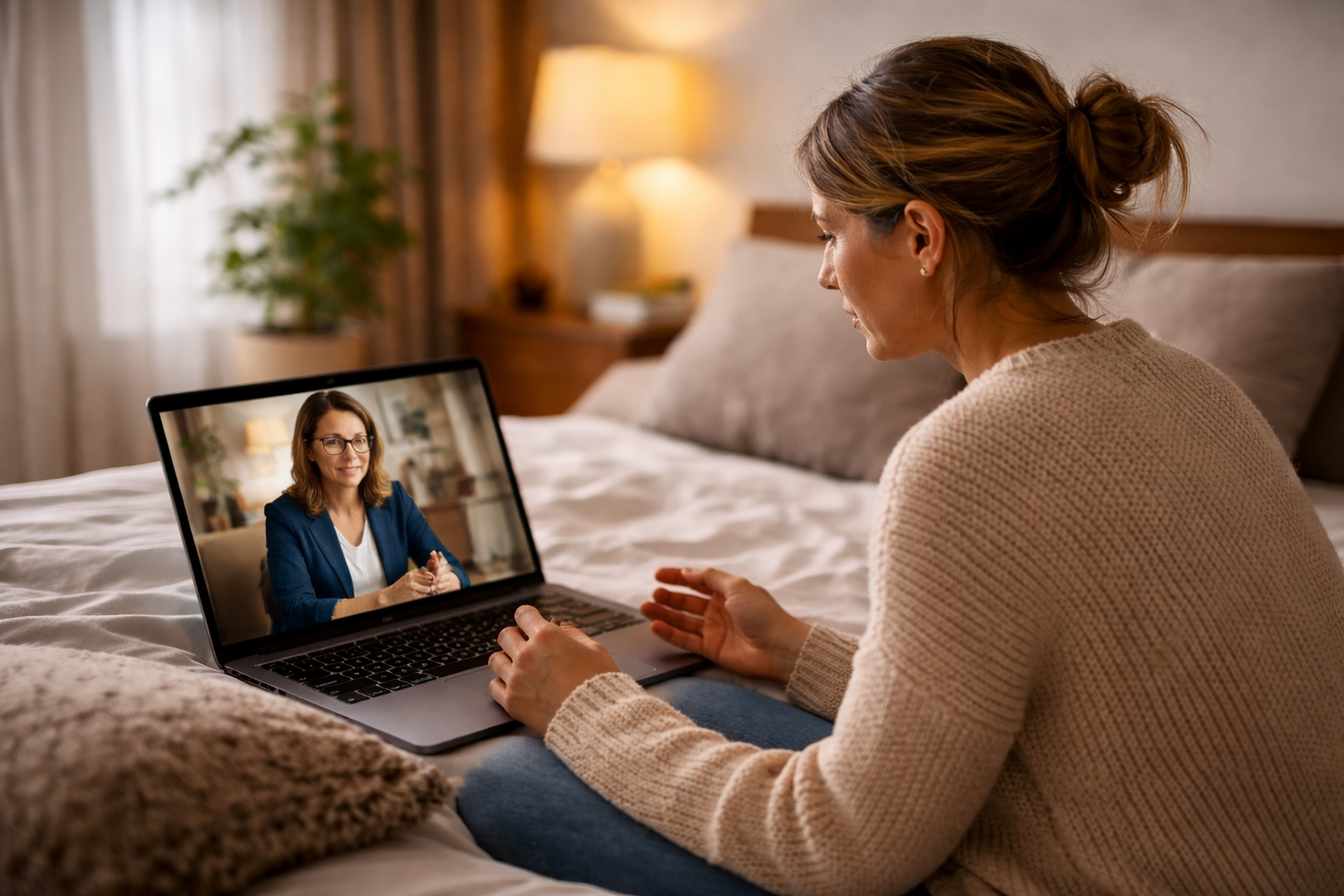
For some individuals, access to care through telehealth has made support more reachable. Telehealth counseling allows people to engage in therapy from home or another private space, reducing barriers related to time, travel, or scheduling. This flexibility can be especially meaningful for those whose anxiety makes leaving the house or rearranging commitments more difficult.
Addressing anxiety does not require dramatic change. Often, it begins with awareness—recognizing when tension has become constant and deserves care. Understanding how anxiety has adapted to protect the body can create space for more intentional responses over time.
Anxiety does not have to remain the background noise of daily life. With appropriate support and attention, many people find it possible to relate to their anxiety differently and create room for greater steadiness and ease.